Financial Diaries to Empower Rural Bangladeshi Women
May 2013
Project Background
Women in low/middle-income countries often lack financial literacy, curbing economic opportunities and household bargaining power. In rural Bangladesh, <40% adults passed basic financial literacy tests (2016), with stark gender gaps: 65% men vs 36% women had bank accounts (2017), relying heavily on informal savings/loans.
This RCT (150 randomized Khulna/Satkhira villages) tests low-cost financial diaries (biweekly tracking) vs traditional 6-module education courses (budgeting/savings/debt/services/emergencies/retirement)—alone or combined—for 2,364 literate married women aged 18-40, improving literacy, money management, empowerment, and shock resilience including COVID-19; includes experimental games measuring decision-making.
Project Scope & Reach
Rural Khulna/Satkhira; 150 villages randomized to diaries, education, control; 2,364 married women 18-40 (literate/basic math).
Key research partners
Khulna University; International Growth Centre (IGC); Monash University; Global Development & Research Initiative (GDRI); Bangladesh Institute of Development Studies (BIDS).
Funding & Support
International Growth Centre (IGC).
Roles of GDRI
Capacity Development and Intervention Design: Adapted diaries/training with Khulna Univ/BIDS (inflow/outflow columns/simple instructions); localized 6-module education curriculum (budgeting/savings/debt/services/emergencies/old-age).
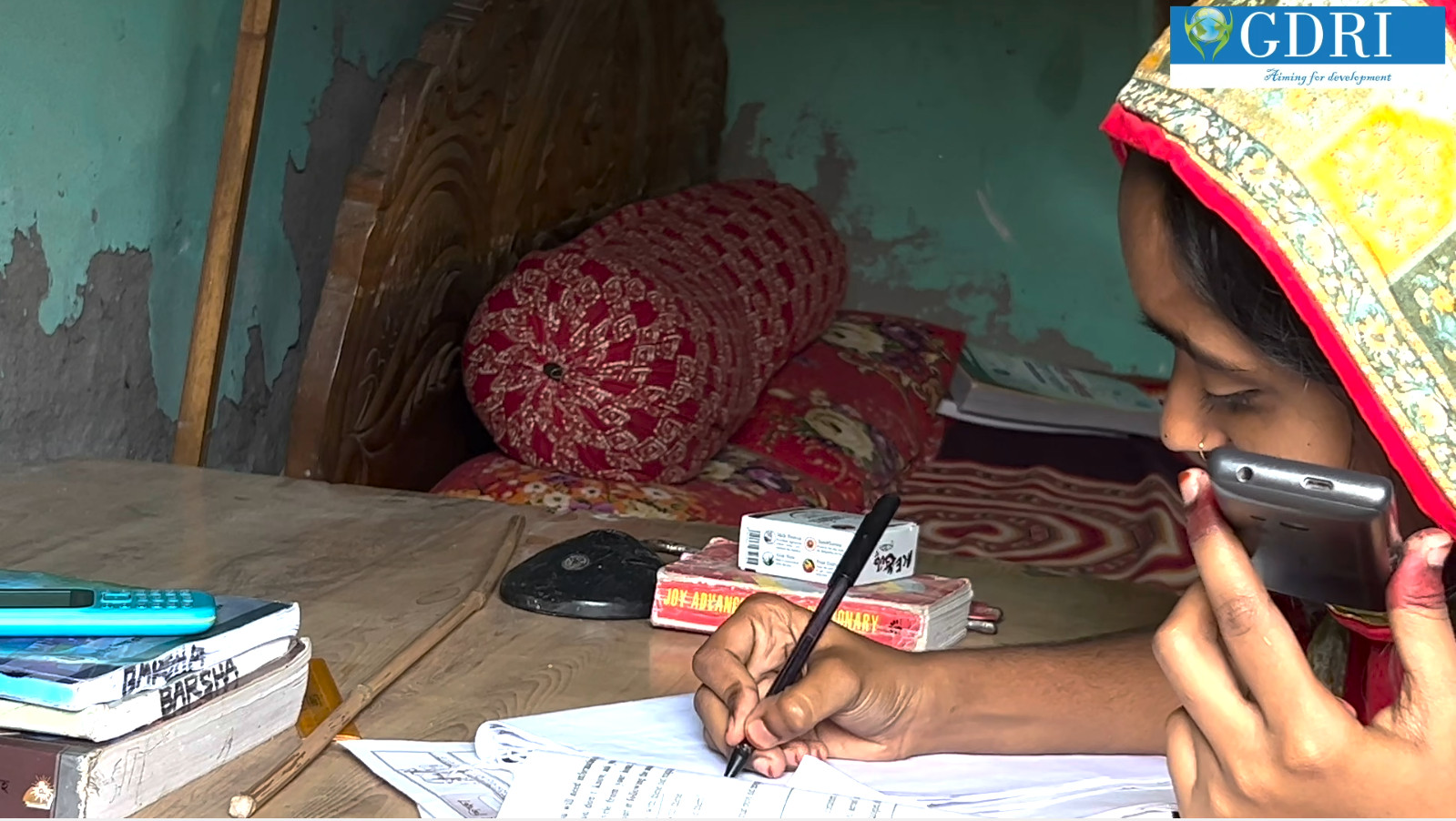
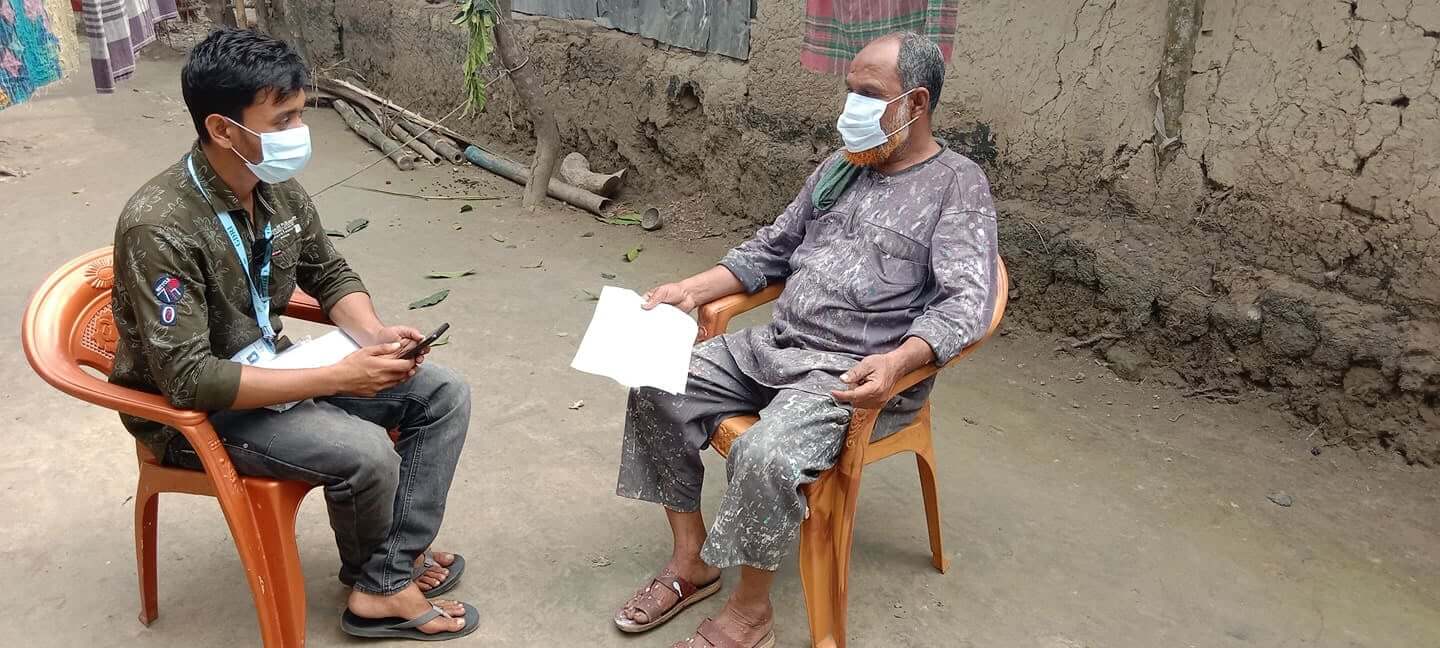
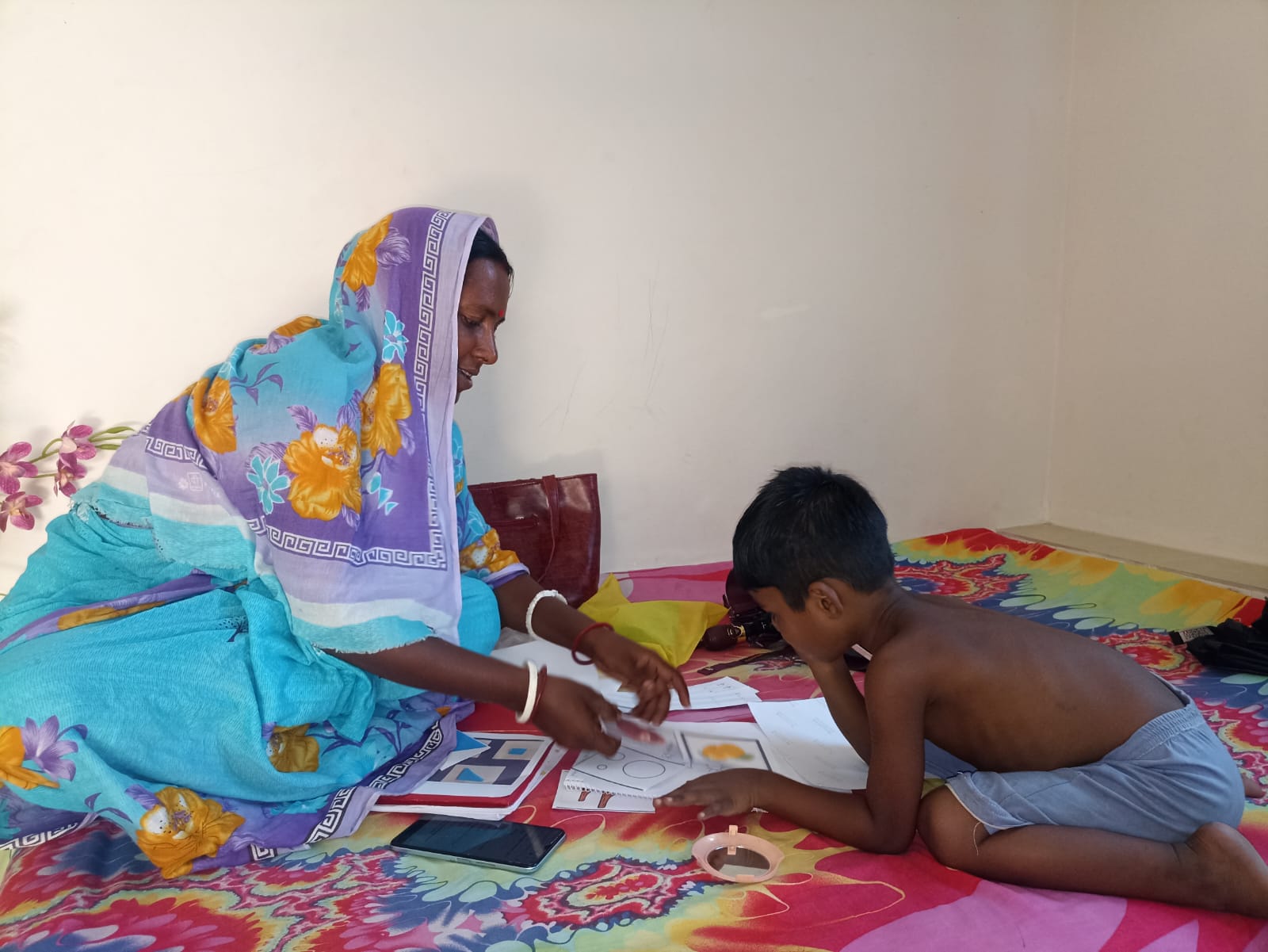
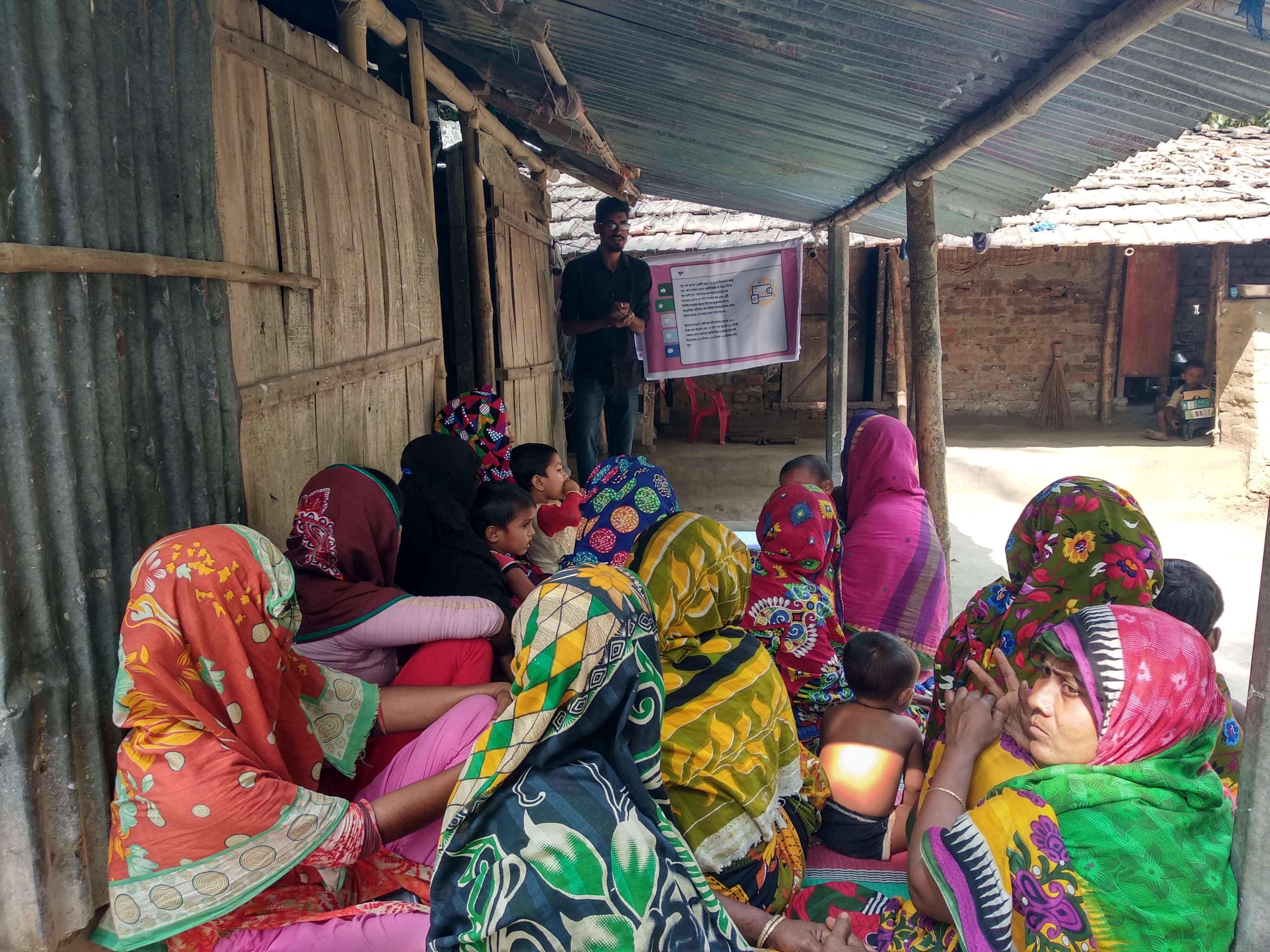
Field Implementation and Community Engagement: Listed/recruited 2,364 women; distributed diaries, biweekly visits (30 weeks) for checks/Q&A; organized/delivered 6-week weekly 5-hr sessions (discussions/graphs/exercises); experimental games (570 subsample) for decision-making/empowerment.
Data Management, Cleaning, and Analysis: Monitored diary completeness/attendance/engagement; baseline/endline + 1-yr follow-up surveys (COVID timing) for long-term/crisis effects; high-quality anonymized datasets for literacy/savings/debt/empowerment/resilience analysis.
Project Details
-
Project Type
Completed Projects
-
Start
May 2013
-
Focus Themes
Education Health